%201.svg)
Thank you! Your submission has been received!
Oops! Something went wrong while submitting the form.

Explore how course marketplaces simplify learning content sourcing compared to traditional LMS models. Learn why organizations are shifting to curated, on-demand training ecosystems.
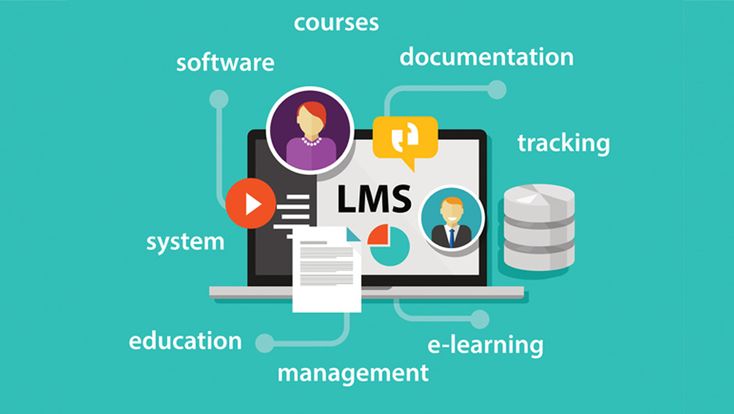
Traditional LMS platforms were designed primarily to host and track training, not to solve the challenge of content sourcing. As a result, organizations often struggle with:
Modern organizations need learning ecosystems that are content-first, flexible, and scalable—not just systems of record.
Course marketplaces offer ready-to-deploy courses, enabling teams to launch training programs in days instead of months.
Instead of overwhelming employees with thousands of courses, marketplaces focus on curated content aligned to roles, skills, and outcomes.
Organizations reduce costs by avoiding custom course development and long-term vendor lock-ins, while still accessing premium content.
From leadership and compliance to technical and soft skills, marketplaces make it easy to support continuous learning across the workforce.
On-demand access allows employees to learn anytime, anywhere—making course marketplaces ideal for distributed teams.
Call 800.397.5215 to talk with our experts to find a solution that meets your organization’s need.
Courses
Solutions
Users
Clients


%5B1%5D.svg)
