
Digital Licensing in Enterprise Training: Future Trends 2026

In 2026, enterprise training shifts to flexible, usage-based licensing that reduces waste and ties spending to real business impact.

Mahesh Kumar

Founder, TraineryHCM.com
Digital Licensing in Enterprise Training

Table of Content

Digital Licensing in Enterprise Training: Future Trends 2026

For the last twenty years, buying corporate training content has felt like buying cable television. You were forced to purchase a massive bundle of 500 channels just to watch the three channels you actually wanted.

Enterprises would sign expensive multi-year contracts for "All Access" libraries. Then, twelve months later, they would discover that only 15% of their employees had ever logged in. The rest was just "shelfware", expensive digital assets gathering dust.

In 2026, that model is collapsing.

Inspired by the "Cloud Computing" revolution, the L&D industry is shifting toward flexible, transparent, and consumption-based licensing models. This shift puts the power back in the hands of the buyer.

This guide explores the three major trends defining the future of digital licensing and how your organization can modernize its procurement strategy to stop wasting budget on unused seats.

1. The Shift to Consumption-Based Pricing

The biggest trend in 2026 is the death of the rigid "Per-Seat" annual contract.

In the old model, if you had 1,000 employees, you bought 1,000 licenses. It did not matter if only 200 people took the training. You paid for everyone.

The "Cloud" Model for Learning

New licensing models are mimicking Amazon Web Services (AWS). You pay for what you consume.

  • Active User Model: You only pay for a user if they actually launch a course during the billing period.
  • Metered Access: You buy a "pool" of credits that any employee can use. When the credits run out, you simply top them up.

Why Finance Loves This

This transforms training from a fixed Capital Expenditure (CapEx) into a variable Operating Expenditure (OpEx). It aligns your spending perfectly with your actual adoption rates. You never pay for a "ghost learner" again.

Manager's Takeaway: Ask your vendors about Flexible Licensing options. If they strictly demand 100% upfront payment for all employees, they are selling you a legacy model.

2. Decentralized Procurement with Central Governance

In the past, the L&D Director bought everything. Today, the Head of Sales buys sales training. The CTO buys coding bootcamps. The Compliance Officer buys legal modules.

This decentralization is good for speed, but it creates Vendor Chaos. You end up with 50 different contracts, 50 different renewal dates, and no visibility into total spend.

The "Exchange" Model

In 2026, smart enterprises are using a Content Exchange strategy.

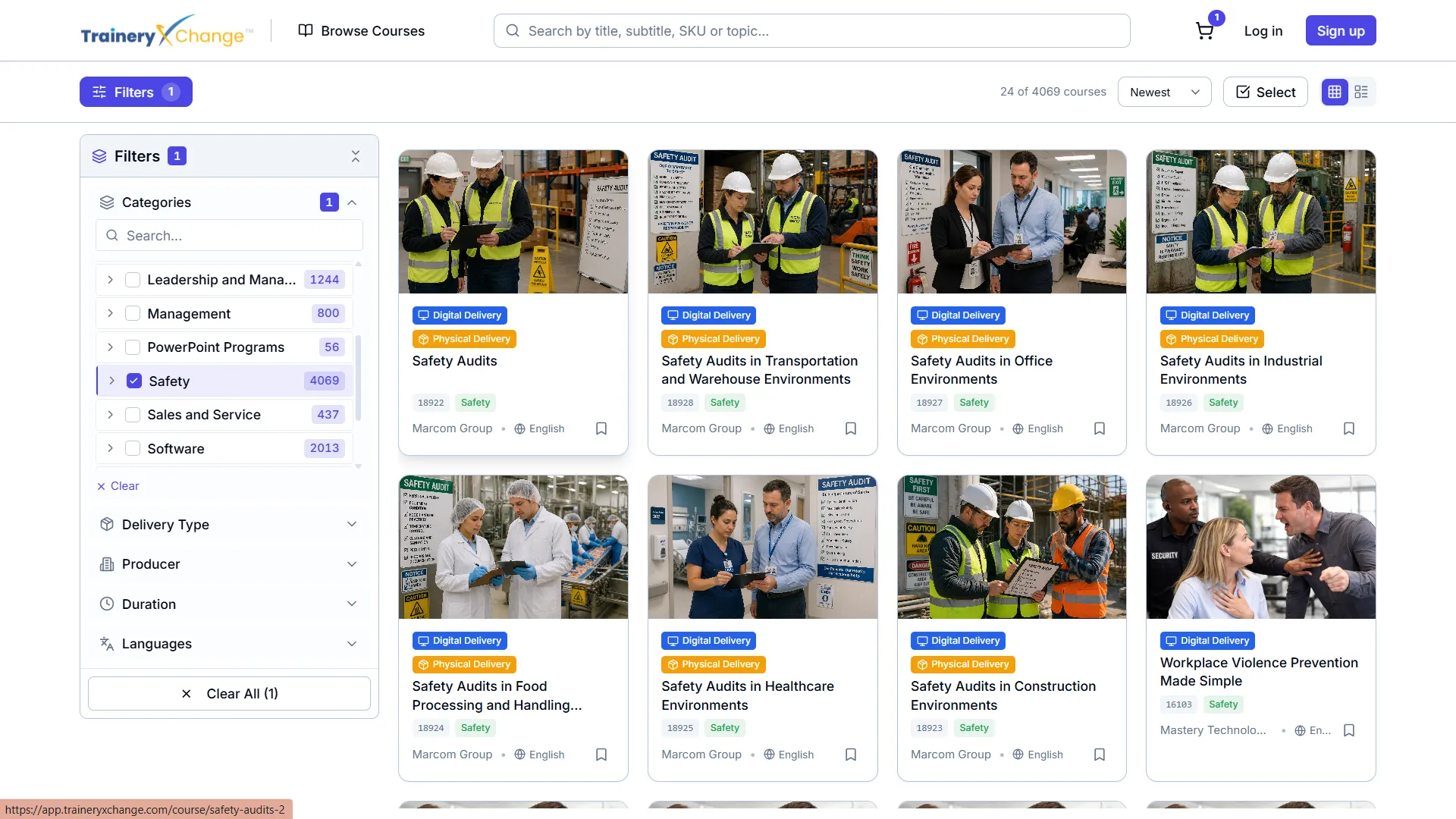
  • Central Governance: The L&D team sets up one master contract with a marketplace provider (like TraineryXchange).
  • Decentralized Selection: Department heads can "shop" within that marketplace for the specific content they need.
  • Unified Billing: All those purchases roll up into one single monthly invoice.

This allows the Sales Director to move fast and buy the latest negotiation course without needing Legal to review a new vendor contract every single time.

Manager's Takeaway: Use our Content Buyers solution to consolidate your fragmented vendor list into a single streamlined ecosystem.

3. Content Portability Rights

One of the hidden traps in old licensing agreements was "Platform Lock-in."

You would buy a library of content, but the contract stated you could only use it inside that vendor’s specific LMS. If you ever wanted to switch to a new LMS (like Workday or Canvas), you would lose access to all your historical training data and content.

The "Bring Your Own LMS" Trend

In 2026, buyers are demanding Portability.

  • Agnostic Delivery: The license grants you the right to play the content in any SCORM-compliant system you own.
  • LTI 1.3 Standards: You can pipe the content from the vendor’s server into your LMS without moving the actual files

This separates the "Fuel" (Content) from the "Engine" (LMS). It gives you the freedom to change your software infrastructure without breaking your training curriculum.

Manager's Takeaway: Never sign a contract that ties your content to a specific LMS. Ensure you have Native vs. LTI flexibility to move your assets where your people are.

Strategy: How to Audit Your Current Licenses

Before your next renewal cycle, you need to conduct a Licensing Audit. Most companies find they can save 20% to 30% of their L&D budget just by optimizing their terms.

Step 1: Identify "Shelfware"

Pull your usage reports for the last 12 months.

  • How many licenses did you buy?
  • How many unique users logged in?
  • The Gap: If you bought 5,000 seats but only 1,200 people logged in, you have a 76% waste rate. Use this data to negotiate a lower "Active User" rate next year.

Step 2: Consolidate Duplicates

Do you have three different vendors providing "Leadership Training"?

  • One for Sales?
  • One for HR?
  • One for Executives?

The Fix: Consolidate these into a single Marketplace agreement. Volume pricing kicks in when you aggregate spend, often lowering your cost-per-user by 40%.

Step 3: Check for "perpetual" vs "subscription"

Some old contracts granted "perpetual" rights to use a file forever. Most modern ones are "subscription" (access ends when you stop paying).

  • The Risk: If you cancel a subscription, do you lose your compliance audit trail?
  • The Fix: Ensure your contract includes a "Data Retention Clause" that allows you to keep your completion records even if you cancel the content subscription.

Conclusion: The Buyer is in Control

The days of the "All-or-Nothing" contract are over.

In 2026, technology allows for precision. You should be able to buy exactly the content you need, for exactly the people who need it, and play it on exactly the system you prefer.

If your current content vendors are still trying to force you into a bloated, rigid bundle, it is time to look for a modern alternative.

Ready to modernize your licensing?

Stop paying for shelfware. Book a Strategy Call with TraineryXchange to discuss our flexible consumption models. Let us help you build a procurement strategy that scales with your actual needs, not just your headcount.

Digital Licensing in Enterprise Training: Future Trends 2026

For the last twenty years, buying corporate training content has felt like buying cable television. You were forced to purchase a massive bundle of 500 channels just to watch the three channels you actually wanted.

Enterprises would sign expensive multi-year contracts for "All Access" libraries. Then, twelve months later, they would discover that only 15% of their employees had ever logged in. The rest was just "shelfware", expensive digital assets gathering dust.

In 2026, that model is collapsing.

Inspired by the "Cloud Computing" revolution, the L&D industry is shifting toward flexible, transparent, and consumption-based licensing models. This shift puts the power back in the hands of the buyer.

This guide explores the three major trends defining the future of digital licensing and how your organization can modernize its procurement strategy to stop wasting budget on unused seats.

1. The Shift to Consumption-Based Pricing

The biggest trend in 2026 is the death of the rigid "Per-Seat" annual contract.

In the old model, if you had 1,000 employees, you bought 1,000 licenses. It did not matter if only 200 people took the training. You paid for everyone.

The "Cloud" Model for Learning

New licensing models are mimicking Amazon Web Services (AWS). You pay for what you consume.

  • Active User Model: You only pay for a user if they actually launch a course during the billing period.
  • Metered Access: You buy a "pool" of credits that any employee can use. When the credits run out, you simply top them up.

Why Finance Loves This

This transforms training from a fixed Capital Expenditure (CapEx) into a variable Operating Expenditure (OpEx). It aligns your spending perfectly with your actual adoption rates. You never pay for a "ghost learner" again.

Manager's Takeaway: Ask your vendors about Flexible Licensing options. If they strictly demand 100% upfront payment for all employees, they are selling you a legacy model.

2. Decentralized Procurement with Central Governance

In the past, the L&D Director bought everything. Today, the Head of Sales buys sales training. The CTO buys coding bootcamps. The Compliance Officer buys legal modules.

This decentralization is good for speed, but it creates Vendor Chaos. You end up with 50 different contracts, 50 different renewal dates, and no visibility into total spend.

The "Exchange" Model

In 2026, smart enterprises are using a Content Exchange strategy.

  • Central Governance: The L&D team sets up one master contract with a marketplace provider (like TraineryXchange).
  • Decentralized Selection: Department heads can "shop" within that marketplace for the specific content they need.
  • Unified Billing: All those purchases roll up into one single monthly invoice.

This allows the Sales Director to move fast and buy the latest negotiation course without needing Legal to review a new vendor contract every single time.

Manager's Takeaway: Use our Content Buyers solution to consolidate your fragmented vendor list into a single streamlined ecosystem.

3. Content Portability Rights

One of the hidden traps in old licensing agreements was "Platform Lock-in."

You would buy a library of content, but the contract stated you could only use it inside that vendor’s specific LMS. If you ever wanted to switch to a new LMS (like Workday or Canvas), you would lose access to all your historical training data and content.

The "Bring Your Own LMS" Trend

In 2026, buyers are demanding Portability.

  • Agnostic Delivery: The license grants you the right to play the content in any SCORM-compliant system you own.
  • LTI 1.3 Standards: You can pipe the content from the vendor’s server into your LMS without moving the actual files

This separates the "Fuel" (Content) from the "Engine" (LMS). It gives you the freedom to change your software infrastructure without breaking your training curriculum.

Manager's Takeaway: Never sign a contract that ties your content to a specific LMS. Ensure you have Native vs. LTI flexibility to move your assets where your people are.

Strategy: How to Audit Your Current Licenses

Before your next renewal cycle, you need to conduct a Licensing Audit. Most companies find they can save 20% to 30% of their L&D budget just by optimizing their terms.

Step 1: Identify "Shelfware"

Pull your usage reports for the last 12 months.

  • How many licenses did you buy?
  • How many unique users logged in?
  • The Gap: If you bought 5,000 seats but only 1,200 people logged in, you have a 76% waste rate. Use this data to negotiate a lower "Active User" rate next year.

Step 2: Consolidate Duplicates

Do you have three different vendors providing "Leadership Training"?

  • One for Sales?
  • One for HR?
  • One for Executives?

The Fix: Consolidate these into a single Marketplace agreement. Volume pricing kicks in when you aggregate spend, often lowering your cost-per-user by 40%.

Step 3: Check for "perpetual" vs "subscription"

Some old contracts granted "perpetual" rights to use a file forever. Most modern ones are "subscription" (access ends when you stop paying).

  • The Risk: If you cancel a subscription, do you lose your compliance audit trail?
  • The Fix: Ensure your contract includes a "Data Retention Clause" that allows you to keep your completion records even if you cancel the content subscription.

Conclusion: The Buyer is in Control

The days of the "All-or-Nothing" contract are over.

In 2026, technology allows for precision. You should be able to buy exactly the content you need, for exactly the people who need it, and play it on exactly the system you prefer.

If your current content vendors are still trying to force you into a bloated, rigid bundle, it is time to look for a modern alternative.

Ready to modernize your licensing?

Stop paying for shelfware. Book a Strategy Call with TraineryXchange to discuss our flexible consumption models. Let us help you build a procurement strategy that scales with your actual needs, not just your headcount.
Frequently Asked Questions

Why is "Portability" so important?
How do digital rights work with AI content?
Does consumption pricing work for compliance training?
What happens to my data if I cancel a license?
Can I share licenses between departments?
What is the difference between "Per-Seat" and "Consumption" pricing?